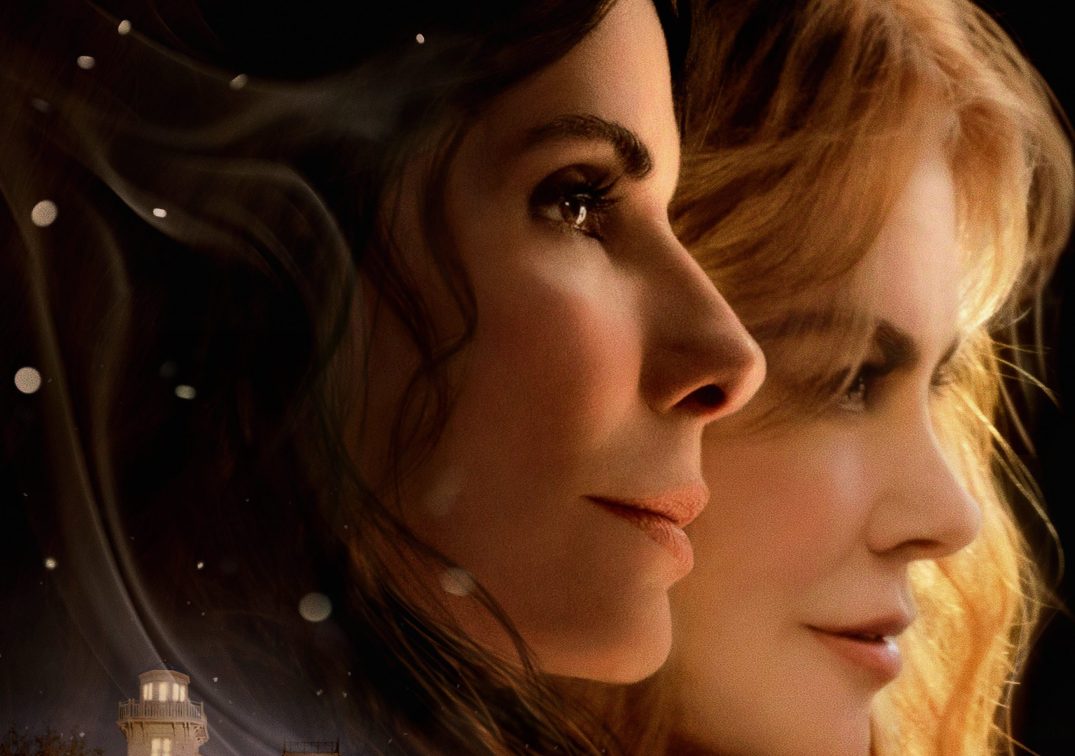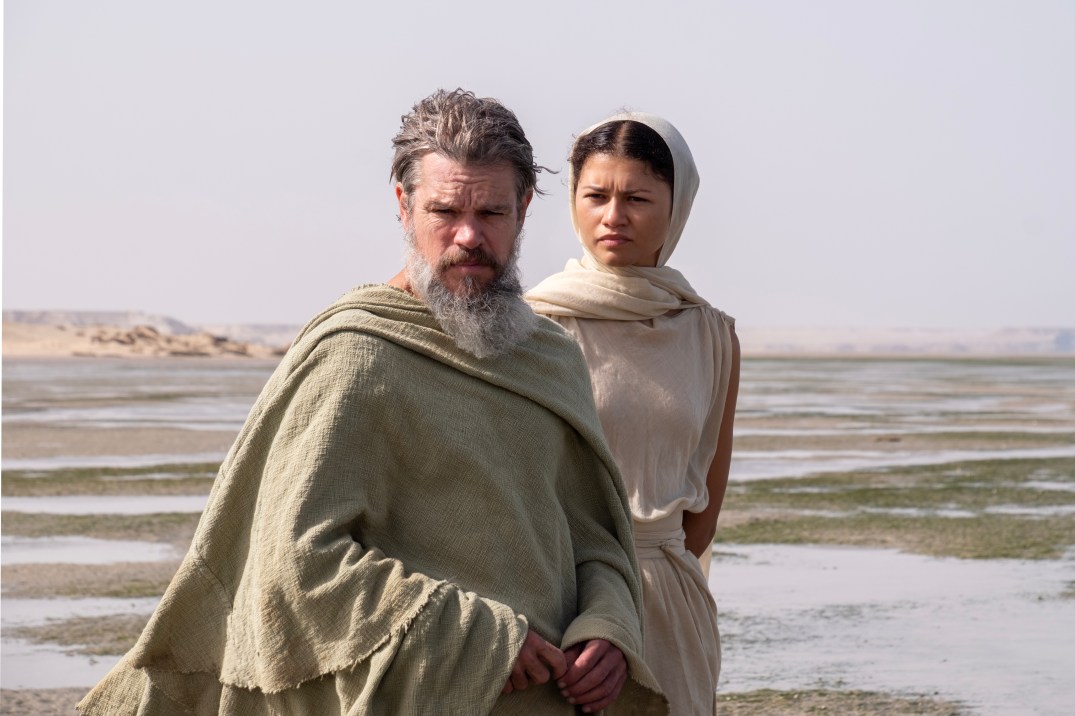
There’s something quietly charming about Reminders of Him, but it never fully settles into something unforgettable.
The film carries a tender premise—one rooted in redemption, grief, and the fragile hope of second chances. And while those emotional beats are present, they don’t always land with the depth you expect. A big part of that comes down to the chemistry (or lack thereof) between the leads. On paper, their connection should feel intense and transformative, but on screen, it feels a bit distant—like you’re watching the idea of a love story rather than actually feeling it.
Visually and tonally, the movie leans heavily into that familiar, made-for-TV warmth. It’s not necessarily a bad thing, but it does give the film a slightly predictable, almost Lifetime movie quality that keeps it from reaching its full cinematic potential. The emotional moments are there, but they feel softened, like the story is holding back when it should be diving deeper.
It also doesn’t help that, coming off the wave of It Ends with Us, expectations for this kind of emotionally driven adaptation are naturally higher. That film, despite its own surrounding drama, set a certain standard for intensity and connection that Reminders of Him struggles to match.
That said, the true heart of the movie comes from the children. They bring a natural warmth, authenticity, and personality that often outshines the main storyline. Their presence adds levity and sincerity, grounding the film in a way that feels genuine and emotionally resonant. In many ways, they’re what make the story feel alive.
Overall, it’s a movie you can enjoy in the moment—soft, emotional, and easy to watch—but it doesn’t quite linger after the credits roll. Not something you’d necessarily revisit, but still worth a one-time watch if you’re drawn to heartfelt, character-driven stories.
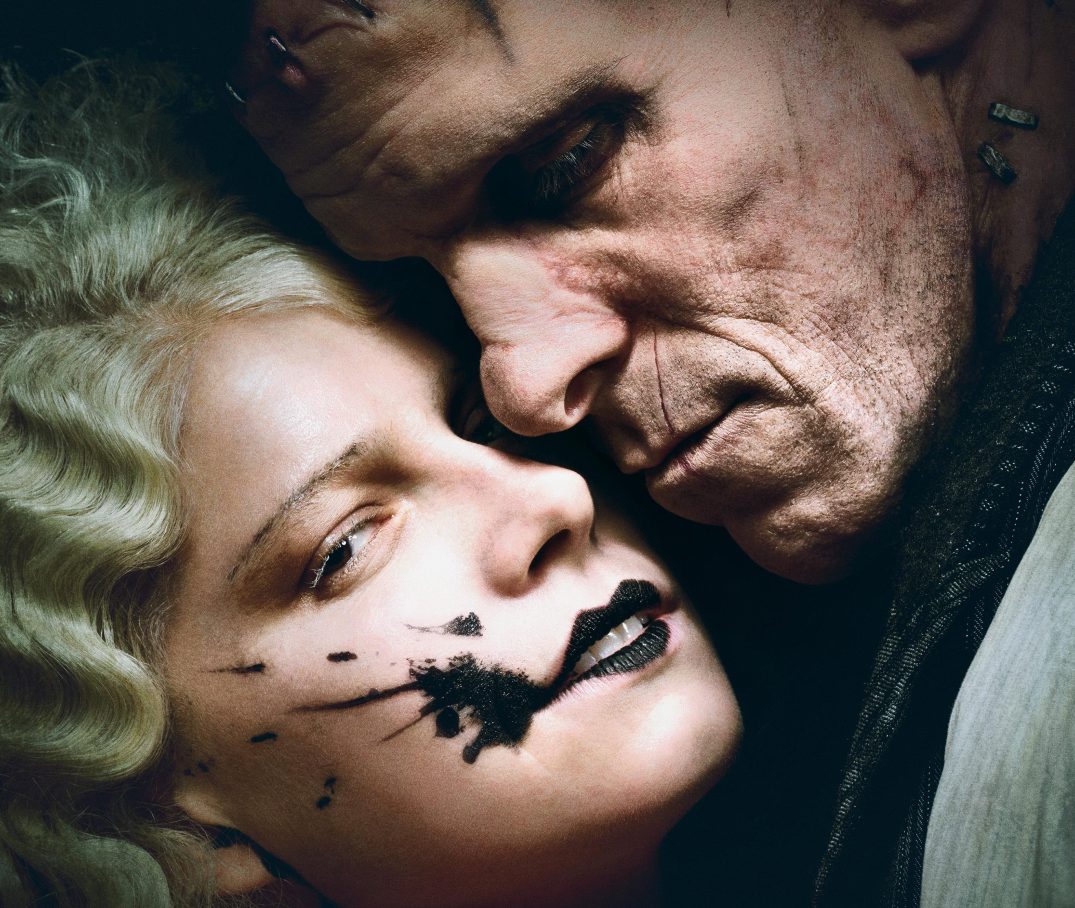
We all know the story of Frankenstein. The misunderstood monster, the mad scientist, the lightning and electricity that bring something unnatural to life. But what many people—including myself—don’t always know is the deeper story behind his bride. The Bride, starring Christian Bale and Jessie Buckley, takes that familiar mythology and spins it into something darker, stranger, and surprisingly emotional.
At its core, The Bride isn’t just a gothic horror story—it’s a twisted love story about loneliness and the human need to belong somewhere in the world. That emotional thread runs through the entire film, giving the story a layer of vulnerability beneath all the eerie atmosphere and chaos. There’s a constant feeling that these characters are searching for connection, even if the world around them sees them as monsters.
One of the first things that stands out is the music score, which is incredible throughout the film. The soundtrack builds tension in a way that keeps your nerves slightly on edge the whole time. It never overwhelms the scenes but instead works like a pulse underneath them, heightening both the suspense and the emotional moments.
The performances are also a huge highlight. Christian Bale brings a grounded intensity that pulls you into the story, while Jessie Buckley delivers a performance that feels both haunting and deeply human. The chemistry between them adds a lot of emotional weight to the film, especially as their connection grows in such an unusual and unsettling world.
What makes The Bride particularly interesting is how it blends influences from several different storytelling styles. There are clear echoes of Frankenstein, of course, but the film also carries the dramatic elegance of The Great Gatsby, while occasionally leaning into the offbeat humor and absurdity reminiscent of Young Frankenstein. It’s a strange mix—but somehow it works.
That said, the film does have a lot going on. There are multiple tones, themes, and visual styles layered throughout the story. For some viewers, that might make the film feel a bit overwhelming or even distracting at times. It’s the kind of movie where you occasionally wonder if it’s juggling too many ideas at once. But at the same time, that ambition is also part of what makes the film feel unique.
Overall, The Bride is a bold and visually interesting take on a classic story. It mixes suspense, romance, and gothic horror into something that feels familiar yet refreshingly different. Between the strong performances, the haunting score, and the emotional core about love and belonging, it’s a film that stays with you long after the credits roll—even if it occasionally feels like it’s trying to do a little too much.
There’s something inherently unsettling about horror films that turn something familiar—something loved—into the very thing you should fear. Primate taps into that discomfort beautifully by centering its terror around a beloved family pet. What begins as a seemingly normal family dynamic slowly spirals into a primal nightmare once the chimpanzee Ben becomes violent after contracting rabies.
What really makes Primate work is the constant sense of tension simmering beneath every scene. The film wastes very little time getting to the chaos, but it never feels rushed. Instead, it slowly tightens the screws, letting the audience feel that creeping dread as things begin to go horribly wrong. It’s the kind of suspense where you’re gripping the edge of your seat, waiting for the inevitable moment when everything collapses.
One of the standout elements of the film is its music score. The soundtrack does an incredible job of amplifying the anxiety throughout the movie, building an atmosphere that feels almost suffocating at times. The score has a haunting, retro horror energy that perfectly matches the film’s escalating tension and brutal moments. Critics have also highlighted how the music contributes to the film’s relentless suspense and overall intensity.
The performances are another strong point. The actors deliver convincing reactions to the escalating horror, grounding the story in a way that keeps the film from becoming too over-the-top. Even when the premise leans into classic creature-feature territory, the cast manages to keep the emotional stakes believable.
What makes Primate particularly effective is the emotional layer behind the horror. This isn’t just a monster movie—it’s about the terrifying moment when something you once loved and trusted becomes something you no longer recognize. That dynamic adds an extra layer of discomfort that many creature features never quite reach.
Overall, Primate is a tense, entertaining horror film that leans into suspense, strong performances, and a fantastic score to keep viewers on edge. It’s brutal, anxiety-inducing, and surprisingly emotional at times—exactly the kind of horror ride that fans of creature features will appreciate.
Five Nights at Freddy’s 2 is back with more blood, more shadows, and definitely more things you don’t want coming to life after dark. As a continuation, it does what sequels are supposed to do: turn the volume up on the scares and give fans plenty of animatronic chaos to chew on. The tension is thicker, the visuals are cleaner, and the film isn’t afraid to let the gore breathe a little.
But here’s the thing—while the movie gets louder, it doesn’t necessarily get better. The excitement never quite rises beyond the surface, and the story feels like it’s running on fumes. There’s intensity, yes, but not much evolution. It’s a sequel that wants to be bigger without actually being bolder.
Performance-wise, it’s a mixed bag. Josh Hutcherson returns, but the spark we were hoping for just… isn’t there. His performance feels oddly muted, and he spends most of the film looking like he’s waiting for someone to tag in. Honestly, this is one of those movies where a strong female co-lead could’ve helped carry him into more impactful territory—because on his own, he doesn’t quite land the emotional beats.
The young actress as the little girl has one truly memorable moment—about two minutes when she’s under the influence of the Marionette—and she absolutely shines there. But the film barely gives her anything else to work with, which is a shame, because that flash of talent deserved more space.
In the end, Five Nights at Freddy’s 2 is a fun enough return to the franchise—creepy, atmospheric, and loaded with the kind of visuals fans will appreciate. But without stronger performances and a story that actually pushes forward, it settles comfortably into the middle: good for a late-night watch, but not quite memorable enough to haunt you afterward.
They’re not just at Freddy’s anymore.
In 2023, Blumhouse’s box-office horror phenomenon Five Nights at Freddy’s, based on the blockbuster game series by Scott Cawthon, became the highest-grossing horror film of the year. Now, a shocking new chapter of animatronic terror begins.
One year has passed since the supernatural nightmare at Freddy Fazbear’s Pizza. The stories about what transpired there have been twisted into a campy local legend, inspiring the town’s first ever Fazfest.
Former security guard Mike (Josh Hutcherson) and police officer Vanessa (Elizabeth Lail) have kept the truth from Mike’s 11-year-old sister, Abby (Piper Rubio), concerning the fate of her animatronic friends.
But when Abby sneaks out to reconnect with Freddy, Bonnie, Chica, and Foxy, it will set into motion a terrifying series of events, revealing dark secrets about the true origin of Freddy’s, and unleashing a long-forgotten horror hidden away for decades.
The cast of Five Nights at Freddy’s 2 includes returning co-stars Theodus Crane as Jeremiah and the legendary Matthew Lillard as William Afton. The film features new characters played by Freddy Carter (Shadow and Bone, Pennyworth), Wayne Knight (Jurassic Park, Seinfeld), Mckenna Grace (Ghostbusters franchise, Annabelle Comes Home) and horror icon Skeet Ulrich (Scream, Riverdale).
Five Nights at Freddy’s 2 is directed by acclaimed returning filmmaker Emma Tammi and is written by game series creator Scott Cawthon.
The filmis produced by Blumhouse founder and CEO Jason Blum and Scott Cawthon, who together produced the first film. The executive producers are director Emma Tammi, Beatriz Sequeira, Christopher Warner, Russell Binder and Marc Mostman.
The first Freddy’s film opened to a record-shattering $80 million in October 2023 and went on to earn almost $300 million worldwide.
Genre: Horror
Cast: Josh Hutcherson, Piper Rubio, Elizabeth Lail, Freddy Carter, Theodus Crane, Wayne Knight, Mckenna Grace, with Skeet Ulrich and Matthew Lillard
Director: Emma Tammi
Written by: Scott Cawthon
Based on the Video Game Series “Five Nights at Freddy’s”
by Scott Cawthon
Producers: Jason Blum, Scott Cawthon
Executive Producers: Emma Tammi, Beatriz Sequeira, Christopher Warner, Russell Binder and Marc Mostman
Rated PG-13 for violent content, terror and some language.
Wicked: For Good sweeps back into Oz with all the shimmer, spectacle, and heart you’d hope for—and if you loved the original Wicked film, this follow-up feels like a lovingly crafted continuation of that magic. While I absolutely enjoyed this new chapter (and truly, there’s so much to enjoy), my heart still belongs to the first film. That debut outing was something entirely new—fresh, daring, and unlike anything audiences had seen from this story before. It set a tone, a world, and a standard that’s hard to replicate.
That said, For Good doesn’t try to copy what came before. It expands it—softly at times, boldly at others—and honors the legacy of the original while carving out its own emotional journey. The direction leans more into richness and sentiment, giving characters room to reflect, ache, and shine in ways that feel earned rather than indulgent.
L to R: Ariana Grande is Glinda and Cynthia Erivo is Elphaba in WICKED FOR GOOD, directed by Jon M. Chu.
L to R: Michelle Yeoh is Madame Morrible and Ariana Grande is Glinda in WICKED FOR GOOD, directed by Jon M. Chu.
And the cast? They surpassed all expectations. Truly. Every actor seems to understand the weight of stepping back into Oz’s iconic roles, and each brings something meaningful—sometimes delicate, sometimes electrifying—to their performance. Everyone gets their moment, and those moments land.
But it’s Ariana Grande who emerges as the undeniable standout. Her performance is radiant: vocally stunning, emotionally grounded, and layered in a way that adds new dimension to her character. It’s the kind of turn that sneaks up on you—unexpectedly nuanced, undeniably memorable.
Wicked: For Good may not replace the original in my heart, but it absolutely enriches the world that made me fall in love in the first place. It’s a worthy, heartfelt, beautifully performed continuation—one that feels, fittingly, like a story made for good.
Regretting You, adapted from the novel by Colleen Hoover, is a warm-hearted and emotionally engaging film that wrestles with grief, forgiveness and the bonds that hold us together. While it occasionally leans into familiar territory, its strong characters and honest performances make it a winning four-star experience. It’s definitely no ‘It Ends With Us’.
At the centre are two women whose lives are irrevocably altered: Morgan and her daughter Clara. Morgan grapples with the loss of her husband and the re‐shaping of her identity, and you feel the ache in her every decision—she’s determined, wounded, yet still capable of hope. Meanwhile Clara’s teenage turmoil is layered by tragedy: navigating her own heartbreak and rebellion while also trying to understand what keeps her mother standing. The film gives Clara space to be fierce and vulnerable, and the chemistry between them pulls you in.
Supporting them is a cast who add meaningful texture: the new love interest Morgan tentatively opens to, the friends Clara confides in, and the old wounds that resurface unexpectedly. These relationships are handled with care—none exist merely as plot props—they feel lived in, which elevates the film beyond a simple melodrama.
Visually and narratively, the film finds its groove in the quiet moments: a lingering shot of Morgan in the dawn light, a conversation between mother and daughter that happens neither entirely in daylight nor shadow. Director and cinematographer give the characters room to breathe, and that breathing space is where the film’s emotional truth lives. The pacing sometimes stalls—there are sequences where the tone shifts a little abruptly—but the core story keeps you rooted.
Allison Williams as “Morgan” and McKenna Grace as “Clara” in Regretting You from Paramount Pictures.
Where Regretting You really shines is in its depiction of how grief and love can co-exist, how forgiveness is messy, and how renewal often comes when we least expect it. The script doesn’t shy away from pain, but it doesn’t stay in it either. There’s hope threaded through the sorrow, and that contrast gives the film its heart.
In short: if you’re looking for a character-driven drama that offers emotional honesty, strong performances and a tale of survival and connection, Regretting You delivers. It might not reinvent the genre, but it brings freshness and warmth to well-trodden ground—and for that, it’s firmly a four-star recommendation.
From its very first frame, The Black Phone 2 delivers a bold and thrilling ride that both honours and reinvents its predecessor—drawing you into darkness, then giving you permission to stare straight into it. The creative team manages the tricky task of balancing visceral chills with genuine emotional stakes, and the result is a horror-sequel that feels grown‐up, confident, and deeply satisfying.
There’s something electrifying about how this sequel evokes the spirit of A Nightmare on Elm Street—that uncanny blend of dream logic and dread, where you’re never entirely sure whether what you’re witnessing is real, or slipping into nightmare. The nightmare-invasion motif, the sense of vulnerability even in the familiar bedroom, the idea of something terrifying reaching into the safe spaces of sleep: these echoes pay homage without turning into mere imitation. Instead, The Black Phone 2 uses that lineage as a springboard, then twists the conventions into something fresh.
This film doesn’t just rely on scares. It gives us characters we care about—flawed, human, trembling at the edge of terror. The young lead anchors the story with a performance that is both terrified and courageous, making every monstrous moment count more deeply. At the same time, the film makes smart use of setting and tone: shadows linger unnervingly, silence pulls focus just before the jolt, and the cinematography turns everyday rooms into claustrophobic trapdoors. It’s a textbook of tension done right, but with heart underneath.
The writers aren’t afraid to dig into themes of trauma, powerlessness and survival. Amid the chilling set-pieces and creepy payoffs, there’s a pulse of hope: that fear can be challenged, that the night can be confronted. And because the film acknowledges darkness rather than pretending it away, the eventual victories feel earned.
Visually and aurally, this is the kind of horror experience you’ll recall long after you’ve left the theatre. One scene in particular—when the young protagonist lies awake, eyes darting, the hum of the phone on the nightstand echoing in the dark—captures what great horror does: it turns the ordinary into the ominous. The sound design, the camera placement, the silence—everything conspires to make that moment linger.
In sum: The Black Phone 2 isn’t just a sequel. It’s a worthy expansion of its universe, a deft homage to horror classics like A Nightmare on Elm Street, and a compelling thriller in its own right. If you love being pulled into the shadows and then walking back out with your pulse racing, this one’s for you. Highly recommended.
Genre: Horror
Cast: Ethan Hawke, Mason Thames, Madeleine McGraw, Demián Bichir, Miguel Mora, Jeremy Davies, Arianna Rivas
Director: Scott Derrickson
Written by: Scott Derrickson & C. Robert Cargill, based on the short story ‘The Black Phone’ by Joe Hill
Producers: Jason Blum, Scott Derrickson, C. Robert Cargill
Executive Producers: Ryan Turek, Adam Hendricks, Daniel Bekerman, Jason Blumenfeld
Rated R for strong violent content, gore, teen drug use, and language.
If you’re seeking a film that cleverly blends genre, mood and unexpectedly deep heart, then look no further than HIM by Jordan Peele—a triumph of smart scares, meaningful emotion and richly layered storytelling.
From the opening frames, HIM establishes an atmosphere that’s quietly unsettling, then gradually builds into something unforgettable. Peele’s command of tone is impeccable: he balances the uncanny and the everyday, delivering moments of tension and surprise without ever losing sight of the characters at the centre.
The lead performance is nothing short of riveting. We meet a protagonist whose fears and desires feel startlingly real, making each supernatural or thriller beat feel grounded in genuine emotional stakes. The relationships onscreen crackle with authenticity, and when the story pivots into high-intensity territory you’re already invested—so the payoff lands hard.
Visually, HIM is striking. The cinematography captures ordinary spaces—homes, hallways, familiar rooms—then transforms them into places of dread and wonder. The sound design supports this metamorphosis beautifully: subtle creaks, long silences, and then the sudden jolt. It’s never gratuitous; the film builds its scares the way a master craftsman sculpts, patiently, deliberately.
What elevates HIM beyond a typical genre entry is how it engages with deeper themes. Identity, legacy, memory—these ideas quietly inform the narrative, giving it weight beyond the thrills. You’ll find yourself thinking about the film long after the credits roll, and maybe noticing things you missed on first viewing.
Peele stands confidently at the intersection of horror, psychological drama and social commentary, and HIM feels like a mature evolution of his voice. It doesn’t rely on cheap jump-scares or gratuitous shocks; instead, the tension is rooted in the characters’ vulnerability and the ever-present sense that something is off.
In short: HIM is smart, stylish and emotionally resonant. It’s rare to find a film that satisfies on both the visceral level (yes, you’ll jump) and the reflective one (yes, you’ll think). Highly recommended for anyone who wants more than just a scare-ride—this is one of those movies that earns its place in the conversation.
Don’t miss it.
Genre: Horror
Cast: Marlon Wayans, Tyriq Withers, Julia Fox, Tim Heidecker, Jim Jefferies
Director: Justin Tipping
Screenplay by: Zack Akers & Skip Bronkie and Justin Tipping
Producers: Ian Cooper, Jordan Peele, Win Rosenfeld, Jamal M. Watson
Executive Producers: David Kern, Kate Oh
Rated R for strong bloody violence, language throughout, sexual material, nudity and some drug use.
From its opening moments to its haunting finish, The Long Walk delivers a cinematic journey that lingers far beyond the credits. Drawing on the unrelenting tension of the source material and the intimate psychological stakes of director Stephen King’s story, the film crafts a world both brutal and deeply human — a rare feat in modern thrillers.
What stands out most is how every choice here serves the weight of the walk itself. The metaphor is clear: this isn’t just a physical test of endurance, it’s an emotional odyssey. The young protagonists stride through landscapes that feel indifferent to their suffering, and the camera gives those moments space — long shots, quiet breaths, the ache of expectation building. The performances are quietly formidable: you believe in their fears, their longing, their resilience. We root for them because we feel for them.
Visually, the film is stark and unforgiving — but in a way that deepens rather than distracts. The arid expanses become characters in themselves, and inside that emptiness you sense the toll of the journey. The sound design and score are equally restrained: moments of silence become as charged as any scream. In one scene, when the group pauses for rest and the air is still — the absence of movement becomes almost audible. It’s a masterful use of tension.
Where The Long Walk truly shines is in the way it layers meaning through the constant forward motion. It’s not just about reaching the finish line; it’s about what it costs, what you leave behind, and how the journey transforms you. The film refuses easy answers — there are no heroes untouched, no victories unblemished. In its honesty it becomes far stronger.
Charlie Plummer as Barkovitch, Garrett Wareing as Stebbins, Cooper Hoffman as Garraty, David Jonsson as McVries, Ben Wang as Olson, Tut Nyuot as Baker, and Joshua Odjick as Parker in The Long Walk. Photo Credit: Murray Close/Lionsgate
In tone and spirit, The Long Walk reminded me of what made films like A Nightmare on Elm Street resonate: the idea of being trapped in a system that won’t relent, where the ordinary becomes the arena of terror, where what lies ahead is as scary as what has passed. Just as Elm Street turned the bedroom into a battleground, The Long Walk turns the road into a crucible. But whereas Elm Street scared you across dreamscapes, this film scares you with the relentlessness of reality, the grind of endurance, and the awareness that every step matters.
In short: The Long Walk is bold, unflinching, emotionally resonant and visually memorable. It takes you deep into its world and leaves you with questions, echoed in the silence after you leave the theatre. Whether you’re a fan of King’s dark imaginings or simply drawn to stories of survival and transformation, this film hits the mark. Highly recommended.
Directed by:Francis Lawrence Screenplay by: JT Mollner Based on the Novel by:Stephen King Produced by:Roy Lee, Steven Schneider, Francis Lawrence, Cameron MacConomy Cast:Cooper Hoffman, David Jonsson, Garrett Wareing, Tut Nyuot, Charlie Plummer, Ben Wang, Roman Griffin Davis, Jordan Gonzalez, Joshua Odjick, Josh Hamilton, with Judy Greer, and Mark Hamill